AMIGA Presented Its Projects Supporting Children and Young People at a Meeting of the Consortium of NGOs
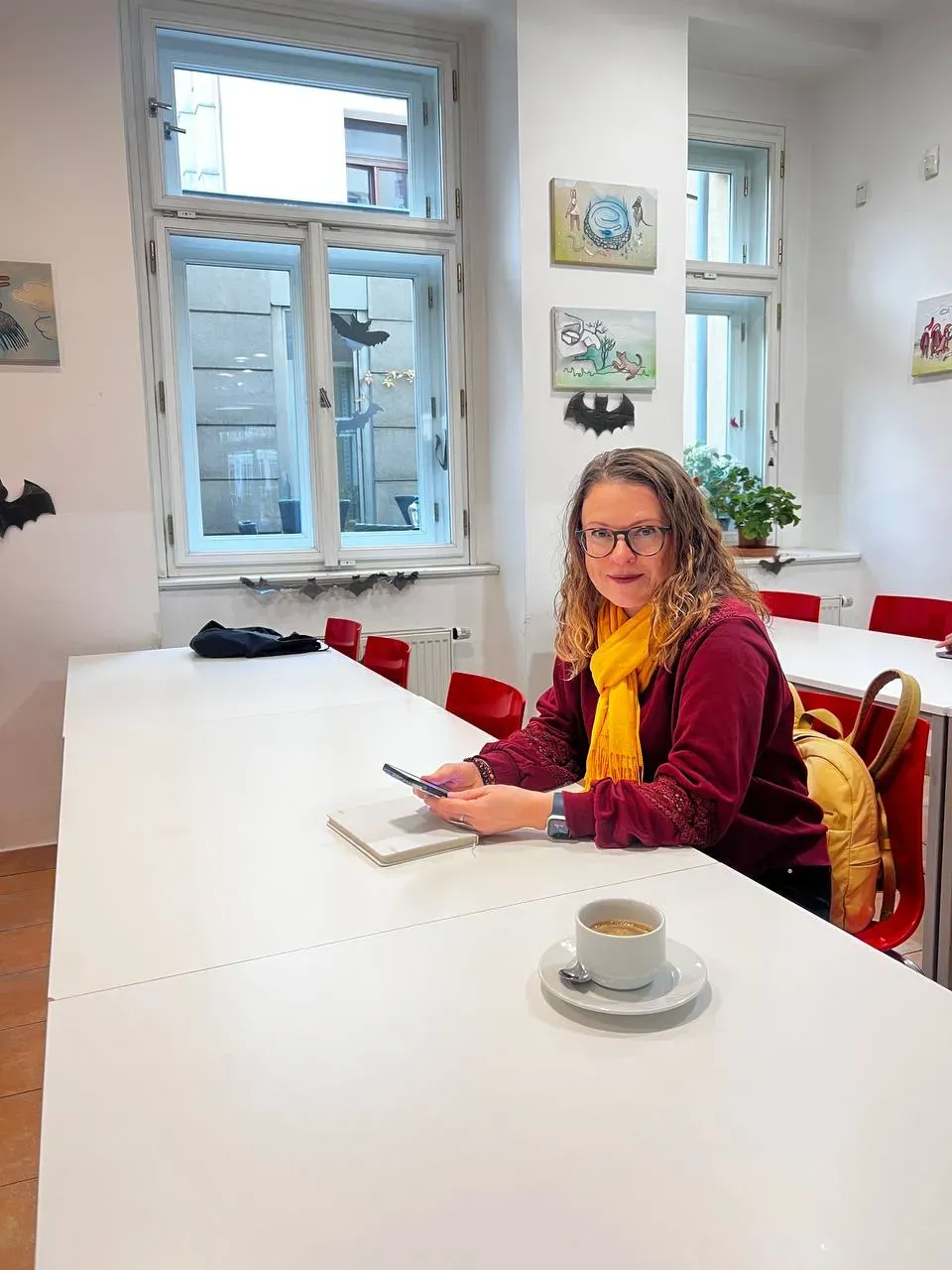
On October 23, AMIGA participated in the meeting “Práce s dětmi a mládeží s migrační zkušeností” (“Working with Children and Young People with Migration Experience”), organized by the Consortium of Non-Governmental Organizations Working with Migrants in the Czech Republic (Konsorcium nevládních organizací pracujících s migranty).
The event brought together representatives of NGOs, schools, and other institutions from different regions of the Czech Republic. Participants discussed ways to support children and young people with migration experience, including those who had arrived from Ukraine. Particular attention was paid to sharing practical experience: which approaches work, what challenges professionals face, and what resources they lack.
The keynote presentation was delivered by Michal Kryl (NPI), a regional coordinator for children and students with foreign backgrounds and an education methodology specialist. He provided a detailed overview of the situation of children with migration experience in the education system, the transition from basic school (ZŠ) to secondary school (SŠ), entrance examinations, additional educational support, and mentoring, as well as the challenges students face during their education.
From Support Groups to an International Project
At the meeting, AMIGA shared its experience of working with children and young people and presented three projects.
KIND is a group for teenagers and young adults where they can communicate, make friends, share their experiences and feelings, and receive support.
Společný svět (“Shared World”) is a project for children with special educational needs. It offers group and individual sessions with a special education specialist and a child psychologist. The programme helps children develop essential skills, overcome learning difficulties, and adapt to a new environment.
The main focus of AMIGA’s presentation was WELLBOOST, an international project coordinated by AMIGA. It is implemented under the Erasmus+ programme in cooperation with partners from Bulgaria, Greece, Poland, and Slovenia.
The aim of WELLBOOST is to strengthen the mental health and psychosocial well-being of Ukrainian students aged 14 to 19 who attend schools across Europe.
One of the project’s main tools is a digital life skills simulator. It helps teenagers better understand themselves, reflect on their reactions, and learn to make decisions in different real-life situations.
The simulator includes 48 questions designed to assess 12 key life skills. It is based on scenarios developed by an international team in collaboration with psychologists, educators, and social workers. All scenarios are inspired by real-life situations that teenagers have experienced.
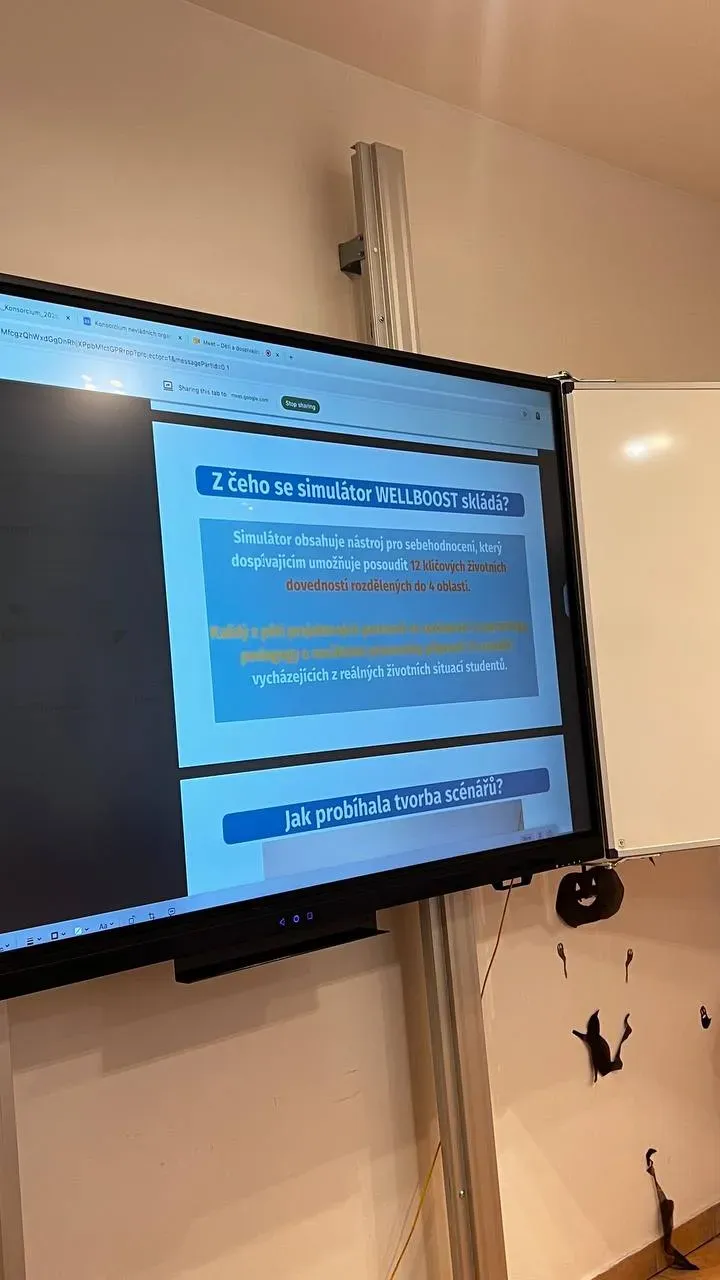
The platform will be available in seven languages, including Ukrainian and Czech. In addition to the digital simulator, a methodological guide for educators is being developed as part of WELLBOOST.
We Invite Schools to Collaborate
The WELLBOOST project is now preparing for an important stage: testing the digital simulator with students.
AMIGA invites schools, NGOs, and integration and adaptation centres from across the Czech Republic to collaborate by providing an opportunity to test the platform in a classroom or a group of teenagers.
Feedback from both students and educators, as well as professionals working with young people, is particularly important to the project team. It will help assess how clear and user-friendly the simulator is and improve it based on the real needs of teenagers.
If your school or organization is interested in collaborating, please contact us at info@amiga-migrant.cz.
Funded by the European Union. The views and opinions expressed are those of the authors only and do not necessarily reflect those of the European Union or the Czech National Agency for International Education and Research (DZS). Neither the European Union nor the grant provider can be held responsible for them.